
Meet the People Behind Your Care
Our therapists bring distinct specialties, experience, and perspectives to their work. Explore our team and find someone whose approach feels right for you.

What Matters When
Choosing a Therapist
You might be looking for experience with a particular concern, a certain approach, or someone you can talk openly with. Use these starting points as you explore our therapist profiles.
Treatment Approach
Learn how each therapist works and what you can expect in sessions.
Who They Work With
Find therapists who work with your age group or stage of life.
Areas of Focus
Look for experience with the concerns you want to address.
Personal Style
Get a sense of each therapist’s personality and how they connect with clients.
Explore Our
Therapists
Browse by who we work with and the concerns we help address. Select a therapist’s profile to learn about their approach, experience, and accepted insurance.

Ashley Sitalo

Works With
Adults
Teens
Children
Areas of focus
Women's Mental Health
Relationship Concerns
Codependency & Boundaries
Substance Use & Recovery
Body Image
Emotion Regulation

Moregan LaMarr
Works With
Adults
First Responders
Young Adults
College Students
Areas of focus
Trauma & PTSD
First Responders
Borderline Personality Disorder (BPD)
Grief & Loss
Depression
Anxiety

Jimmy Vuong
Works With
Adults
College Students
Young Adults
Teens
Areas of focus
Self-Esteem & Self-Worth
Depression
Anxiety
Identity & Self-Exploration
Men's Mental Health
ADHD & Executive Functioning

Megan Morell
Works With
Adults
Teens
Children
Families
Areas of focus
Trauma & PTSD
Parenting & Family Stress
Grief & Loss
Anxiety
Depression
Self-Esteem & Self-Worth
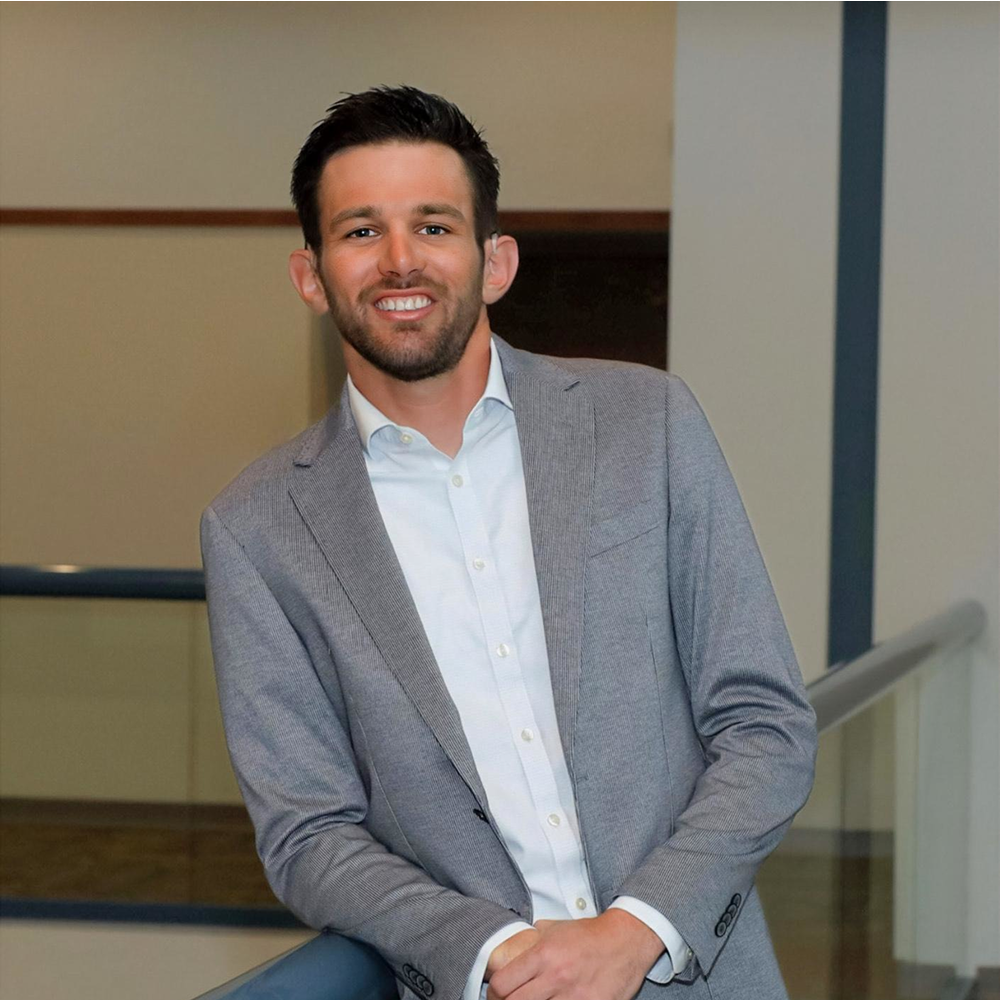
Brian Birdwell
Works With
Adults
Young Adults
College Students
Areas of focus
Depression
Anxiety
Borderline Personality Disorder (BPD)
Anger Management
Men's Mental Health
Emotion Regulation
Rooted in Purpose, Built on Connection
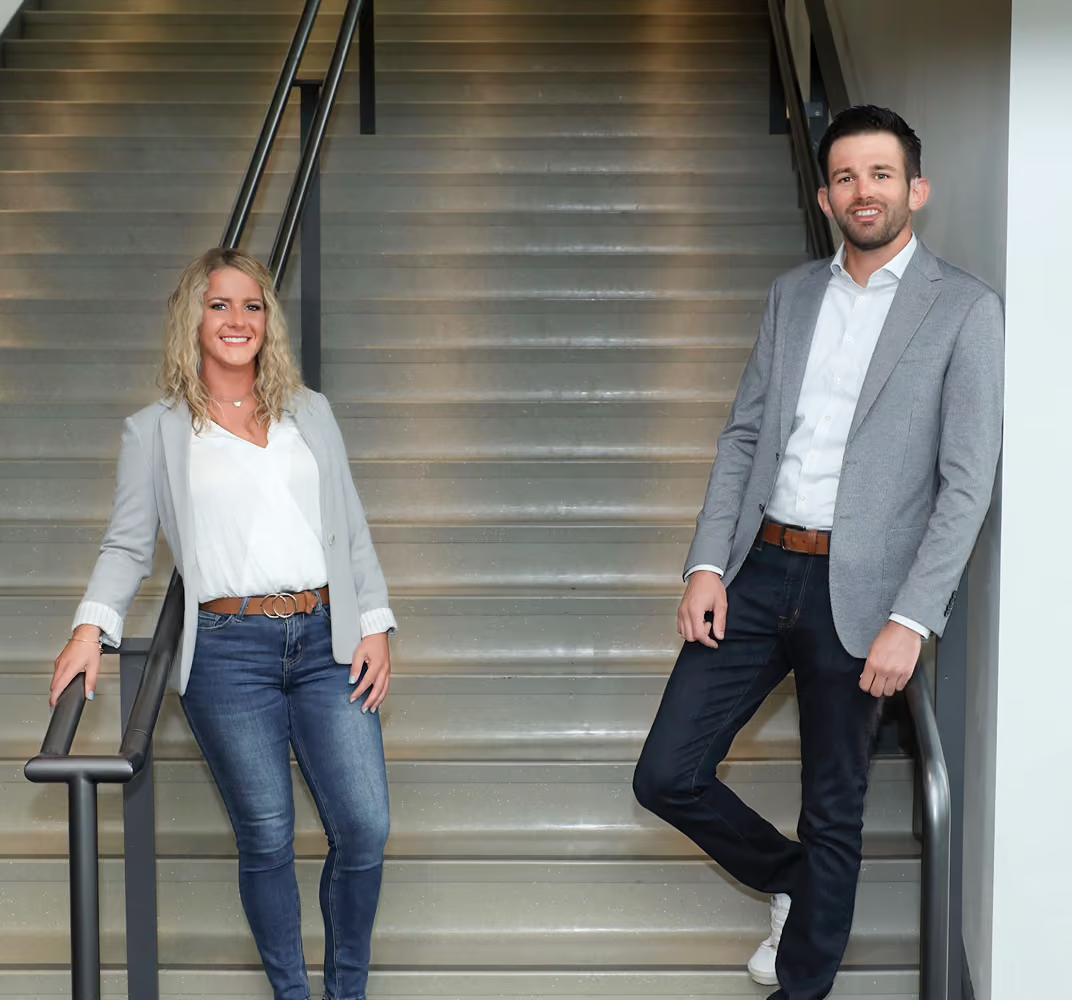
BirdWellness grew out of nearly fifteen years each spent working in community mental health, where Brian and Megan supported people through crisis, trauma, loss, and some of life’s most vulnerable moments.
That work mattered deeply to us. But over time, we also saw how easily meaningful therapy could become crowded by paperwork, policies, productivity demands, and systems that left both clients and clinicians feeling disconnected.
We began asking a simple question:
What could therapy look like if people came first?
That question became BirdWellness.
Our goal was to create a practice where clinicians have the freedom to be fully present, clients feel genuinely known, and therapy has the time and space to be thoughtful, personal, and effective.


BirdWellness was built around a simple belief: when people feel understood, supported, and genuinely connected, meaningful change becomes possible.”
Where It Began
BirdWellness began taking shape in 2023 during an unexpected season of reflection.
After Brian’s recovery from cochlear implant surgery created the first real quiet he had experienced in years, there was space to think differently about the work we loved, the values we wanted to protect, and the kind of practice we hoped to build.
What started as conversations around a dining room table gradually became something real.
The name BirdWellness began as a lighthearted reference to Brian’s last name, but it quickly took on deeper meaning. Birds came to represent many of the things we wanted the practice to embody: freedom, perspective, growth, resilience, and the ability to move toward something new.
We wanted to build a place where connection comes before paperwork, therapy feels calm rather than rushed, clinicians can bring their full personalities into the room, and clients are treated as people — not diagnoses, productivity numbers, or boxes to check.
BirdWellness started with the two of us. As the practice grew, we intentionally welcomed clinicians who shared those same values.
The result is a team with different personalities, specialties, and therapeutic approaches, but a common belief:
Good therapy begins with feeling understood.
From First Contact to Your First Session
You don’t need to have everything figured out before reaching out. We’ll help you explore your options, understand the details, and know what to expect.
Talk It Through
Start with a free 15-minute consultation to share what you’re looking for and ask questions.
Sort Out the Details
We’ll review therapist availability, insurance or self-pay options, and what you’ll need to get started.
Get to Know Each Other
Your first session is a chance to talk about what brings you in, get to know your therapist, and begin identifying goals together.
Our Dedicated Professionals
Our clinicians bring years of experience, genuine compassion, and a down-to-earth approach to every session. Get to know the people who will support your healing journey and help you create meaningful, lasting change.

Brian Birdwell, LMSW
Populations Served
Adults & Adolescents (16+)
Areas of Focus
- Depression and anxiety
- Borderline Personality Disorder (BPD)
- Emotional dysregulation and impulsivity
- Self-harm and suicidal thoughts
- Relationship conflict and instability
- ADHD, anger, and difficulty managing reactions
- Major life changes, grief, and identity shifts
- Chronic self-doubt and long-standing struggles with self-worth
Therapeutic Approach
Maybe you already understand why you feel the way you do.
You know your triggers. You recognize the patterns. You may even know exactly what you should do differently — but in the moment, emotions take over, relationships become complicated, or you find yourself falling back into the same reactions.
That gap between understanding the problem and actually changing it is where Brian does some of his best work.
Brian works with clients who feel overwhelmed by emotions, stuck in unhealthy patterns, disconnected from themselves, or frustrated that insight alone hasn’t created the change they want.
His approach is active, collaborative, and grounded in practical change. Drawing primarily from Dialectical Behavior Therapy (DBT) and Cognitive Behavioral Therapy (CBT), Brian helps clients understand the connection between thoughts, emotions, behaviors, and relationships — while building concrete skills to respond differently when life gets difficult.
Therapy with Brian is not about endlessly analyzing your past or pretending that positive thinking will solve everything. Your history matters, especially when earlier experiences continue to shape how you respond today. But the work remains focused on helping you build a life that feels more stable, intentional, and manageable now.
Together, you may work on tolerating intense emotions without reacting impulsively, communicating more effectively, changing destructive relationship patterns, challenging long-standing beliefs about yourself, setting healthier boundaries, or making difficult decisions with greater confidence.
Brian believes meaningful change requires both compassion and accountability. Therapy should be a place where you can be honest, imperfect, frustrated, uncertain, or even unsure whether you are ready to change — without being judged. At the same time, he will help you recognize the areas where you do have influence and encourage you to take meaningful steps forward.
What It Is Like to Work With Brian
Brian is warm, conversational, grounded, and straightforward.
He isn’t the kind of therapist who will simply nod for an hour and ask, “How does that make you feel?”
He listens closely, but he is also willing to ask difficult questions, point out patterns, challenge avoidance, and tell you when something doesn’t seem to be working.
Sessions often include a combination of emotional processing, problem-solving, skill-building, humor, honest conversation, and practical strategies you can use outside of therapy.
Clients who tend to work especially well with Brian are those who appreciate a therapist who is genuine, engaged, and willing to be an active part of the conversation.
You do not need to have everything figured out before starting therapy.You just need to be willing to look honestly at what is happening and begin working toward something different.
The goal isn’t perfection. It’s progress — learning to handle difficult emotions, change patterns that keep hurting you, improve your relationships, and build a life that feels more like your own.
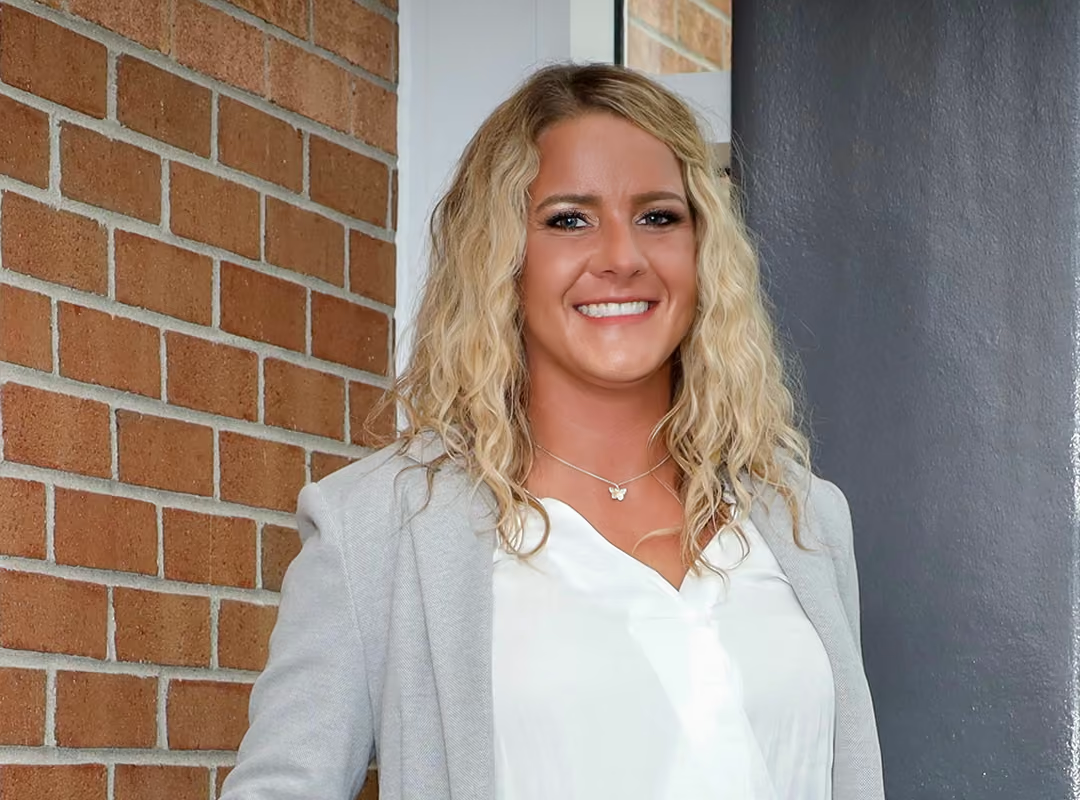
Megan Morell, LMSW
Populations Served
Children, Adolescents & Adults
Areas of Focus
- Anxiety and depression
- Trauma and PTSD
- Emotional and behavioral concerns
- Childhood and adolescent anxiety
- Grief and major life changes
- Family and parent-child conflict
- Self-esteem and confidence
- Emotional regulation and coping skills
- LGBTQ+ identity exploration and support
Therapeutic Approach
When a child or teen is struggling, it can affect the entire family.
You may know that something is wrong but feel unsure how to help. Maybe your child is anxious, overwhelmed, shutting down, acting out, or struggling to explain what they are feeling. You may have tried different strategies at home and still feel like you are missing something.
Megan helps children, teens, adults, and families make sense of what is happening beneath the surface — and figure out what can actually help.
Her approach is warm, trauma-informed, and highly individualized. Rather than focusing only on the behavior someone is showing, Megan works to understand the emotions, experiences, needs, and patterns underneath it.
With children and adolescents, therapy often includes helping them develop the language and skills to understand their emotions, manage anxiety, cope with difficult experiences, and communicate more effectively. When appropriate, Megan also works closely with parents and caregivers so progress does not stop when the therapy session ends.
For adults, Megan provides a supportive space to work through trauma, anxiety, grief, difficult relationships, and experiences that continue to affect everyday life.
Her goal is not simply to help clients feel better in the moment, but to help them better understand themselves, develop healthier ways of coping, and feel more capable navigating challenges in the future.
Megan is certified in Trauma-Focused Cognitive Behavioral Therapy (TF-CBT) and Eye Movement Desensitization and Reprocessing (EMDR). She is also an EMDRIA Consultant in Training, reflecting advanced training and continued development in EMDR consultation and clinical practice. Her additional training includes Parent Management Training and other family-systems interventions.
Rather than forcing every client into the same therapeutic model, Megan draws from multiple evidence-based approaches and adapts treatment to the person in front of her.
What It Is Like to Work With Megan
Megan is often described as warm, energetic, compassionate, and easy to talk to.
She creates an environment where children and teens can feel comfortable being themselves without therapy feeling intimidating, overly serious, or clinical. At the same time, sessions remain purposeful, with clear goals and practical strategies that can translate into everyday life.
Parents and caregivers can expect Megan to be supportive without being vague. She helps families better understand what may be driving a child’s emotions or behavior and provides concrete guidance for responding in ways that strengthen connection rather than escalate conflict.
Megan believes that difficult behavior often communicates something deeper — an unmet need, an overwhelming emotion, a painful experience, or a skill that has not yet been developed.
Instead of asking only, “How do we stop this behavior?” she also helps clients and families ask, “What is this behavior trying to tell us?”
That shift can create room for greater understanding, more effective communication, and meaningful change.
Whether she is helping a child manage anxiety, supporting a teenager through a difficult season, working with an adult processing trauma, or helping a family feel more connected, Megan brings patience, curiosity, honesty, and genuine care to the work.
Therapy does not have to feel cold or intimidating. It can be a place where you or your child feel understood, supported, and equipped with tools that make life feel more manageable.

Jimmy Vuong, LMSW
Populations Served
Young Adults, Adults, Adolescents & Couples
Specialties:
- Anxiety and depression
- College, academic, and early-career stressIdentity development and self-esteem
- Relationship and family conflict
- Addiction and substance-use concerns
- Mood-related challenges
- Body-image concerns
- Life transitions and uncertainty
- LGBTQ+ affirming care
- Multicultural and intergenerational experiences
Therapeutic Approach
Young adulthood can come with a lot of pressure to have everything figured out.
Who are you supposed to be? What should your career look like? Are you falling behind? Are you disappointing your family? Why do relationships feel so complicated? And why does everyone else seem to be handling life better than you are?
For many people, those questions are made even harder by anxiety, depression, family expectations, cultural identity, relationship struggles, or the feeling that they are somehow not measuring up.
Jimmy helps clients slow things down, make sense of what they are experiencing, and better understand the patterns shaping their thoughts, emotions, relationships, and choices.
His approach is collaborative, culturally responsive, and grounded in genuine curiosity. Rather than assuming there is one “right” way to live, heal, or define success, Jimmy works to understand each client within the context of their relationships, culture, identity, values, and lived experiences.
As a Vietnamese American therapist and former clinician with the University of Michigan’s student counseling services, Jimmy brings particular insight into the pressures often faced by college students, young adults, first-generation individuals, and clients navigating cultural or intergenerational expectations.
Therapy with Jimmy is not just about understanding yourself better. It is also about figuring out what to do with that understanding.
He draws from Cognitive Behavioral Therapy (CBT), Acceptance and Commitment Therapy (ACT), Exposure and Response Prevention (ERP), Motivational Interviewing, psychodynamic exploration, and strengths-based, person-centered approaches. Rather than forcing clients into one model, he uses these approaches flexibly based on what each person needs.
Together, you may work on changing unhelpful patterns, tolerating uncertainty, building confidence, navigating difficult relationships, understanding your identity more fully, or making choices that feel more aligned with who you actually are.
What It Is Like to Work With Jimmy
Jimmy is authentic, thoughtful, creative, and refreshingly unconventional.
He brings his full personality into the therapy room and does not believe therapy needs to feel stiff, overly polished, or impersonal in order to be meaningful.
Clients who connect well with Jimmy often appreciate humor, honest conversation, creative perspectives, and a therapist who is willing to think outside the box.
He is especially comfortable working with adolescents, college students, young adults, and people who may have previously felt misunderstood, judged, pressured to fit in, or out of place in traditional therapy settings.
Jimmy offers warmth and validation, but he will also help you look honestly at the patterns that may be keeping you stuck.
That might mean exploring why you continue ending up in the same relationship dynamics, why uncertainty feels so difficult to tolerate, why other people’s expectations carry so much weight, or whether the version of “success” you are chasing actually feels like your own.
Sessions leave room for reflection, humor, spontaneity, deeper exploration, and the occasional unexpected metaphor — while still staying focused on meaningful change.
Jimmy may be an especially good fit if you want a therapist who feels like a real person: someone who can meet you where you are without expecting you to filter your personality, identity, culture, or experiences.
His goal is not to tell you who you should become.
It is to help you understand yourself more clearly, loosen the grip of patterns that no longer serve you, and build a life that feels more authentic, connected, and aligned with what matters to you.

Moregan LaMarr, LMSW
Populations Served
Adults, College Students, First Responders & Trauma Survivors
Specialties:
- Trauma and post-traumatic stress
- Complex and developmental trauma
- First responder stress and occupational trauma
- Anxiety and depression
- Emotional dysregulation
- Relationship and attachment patterns
- Personality-related concerns
- Identity and self-worth
- Complex emotional wounds
- Major life transitions
Therapeutic Approach
Sometimes trauma does not feel like a memory.
It can feel like being constantly on guard. Overthinking everything. Shutting down during conflict. Struggling to trust people. Feeling responsible for everyone around you. Becoming overwhelmed by emotions that seem to come out of nowhere.
You may understand what happened to you and still feel like your mind and body have not gotten the message that the danger is over.
Moregan helps clients understand these reactions without judgment and begin moving toward a greater sense of safety, stability, and trust in themselves.
Her approach is trauma-informed, evidence-based, and deeply individualized. She believes meaningful trauma work should never be rushed. Before asking clients to revisit painful experiences, she focuses on understanding what they have been through, how they learned to survive it, and what they need in order to feel safe enough to move forward.
Moregan is a Certified EMDR Therapist and EMDRIA Approved Consultant, an advanced designation reflecting extensive training and experience in Eye Movement Desensitization and Reprocessing (EMDR). She also integrates Dialectical Behavior Therapy (DBT), Prolonged Exposure Therapy, mindfulness-based interventions, attachment-informed therapy, and empowerment-focused approaches.
Rather than forcing every client into the same treatment model, Moregan draws thoughtfully from these approaches based on each person’s history, symptoms, strengths, goals, and readiness.
Together, you may work on processing traumatic experiences, reducing the intensity of triggers, improving emotional regulation, understanding long-standing relationship patterns, rebuilding trust in yourself, or learning how to feel safer and more present in your everyday life.
Moregan works particularly well with people who have spent much of their lives being the one who stays strong.
For first responders, helping professionals, caregivers, and others who are accustomed to functioning under pressure, it can become second nature to compartmentalize, push through, and take care of everyone else.
Eventually, that way of coping can come at a cost.Therapy with Moregan offers a place where you do not have to be the person holding everything together.
What It Is Like to Work With Moregan
Moregan is highly experienced and clinically knowledgeable, but one of the first things clients often notice about her is much simpler:She is calm.
Her presence is warm, grounded, approachable, and deeply human. She creates an environment where difficult experiences can be taken seriously without therapy feeling cold, overwhelming, or clinical.
She does not pressure clients to disclose painful experiences before they are ready or assume that healing requires immediately diving into the most difficult parts of the past.
Instead, Moregan works collaboratively to understand what feels manageable, what feels threatening, and what is needed to create enough stability for deeper work.
She also understands that many behaviors people criticize themselves for were once ways of surviving.
Hypervigilance. Emotional distance. People-pleasing. Control. Avoidance. Staying constantly busy. Becoming fiercely independent. Being the dependable person everyone else can count on.
Rather than asking, “What is wrong with me?” Moregan helps clients begin asking, “What happened that taught me I needed to live this way?”
From there, therapy becomes less about fighting yourself and more about understanding which patterns still protect you — and which ones are now keeping you stuck.
Her style combines compassion with depth and structure. Sessions may include emotional processing, psychoeducation, nervous-system awareness, skill-building, exploration of attachment and relationship patterns, and focused trauma treatment when appropriate.
In addition to her clinical work, Moregan serves as an adjunct professor in the Department of Social Work at Saginaw Valley State University. Her work as an educator reflects both the depth of her clinical knowledge and her commitment to thoughtful, ethical, and effective practice.
Clients who work with Moregan can expect a collaborative space where their experiences are taken seriously, their boundaries are respected, and healing is allowed to unfold without pressure or judgment.
Her goal is not simply to help you feel less distressed.
It is to help you understand yourself more fully, feel safer in your own emotional experience, reconnect with parts of yourself that may have been buried or protected, and build a life that feels more grounded, connected, and genuinely your own.
Why Choose BirdWellness?
At BirdWellness, you’re never a case number—you’re a human.
We created this space to slow therapy down so healing can deepen.
Not Sure Who to Choose?
Tell us what you’re looking for, and we’ll help narrow your options based on your needs, preferences, and therapist availability. You don’t need to know which clinician is the right fit before reaching out.


Ready to Get Started?
Schedule your free 15-minute consultation.