
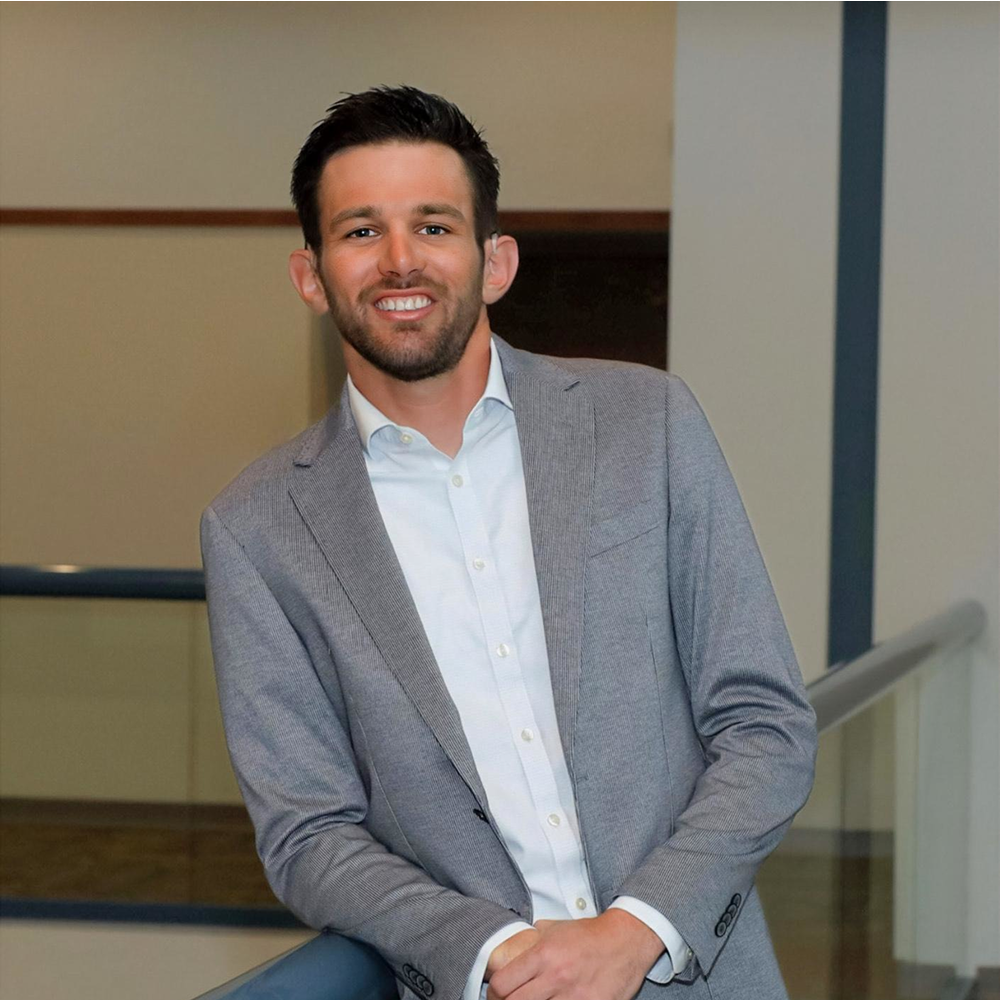
Brian Birdwell
I believe therapy works best when it feels like a genuine human relationship. I work primarily with adults navigating anxiety, depression, trauma, emotional dysregulation, ADHD, relationship concerns, grief, and major life changes. My style is warm, direct, practical, and collaborative, combining evidence-based therapy with space to slow down, understand what’s really going on, and build change that feels meaningful to you.
About
Brian
I’ve understood what it feels like to be different for as long as I can remember. I was born with severe-to-profound sensorineural hearing loss and have worn hearing aids since I was old enough to walk. Growing up in metro Detroit, much of my childhood was spent navigating communication barriers, significant bullying, and the constant pressure to fit in when I knew I stood out. Those experiences shaped the way I see people today and probably have a lot to do with why connection, belonging, and being genuinely understood matter so much to me as a therapist.
My path into mental health wasn’t especially polished or predictable. Before finding social work, I worked a little bit of everything—grocery stores, restaurants, retail, party rentals, and a farmers market. In 2011, I began working in community mental health as an activity aide in a skill-building program for adults with developmental disabilities. From there, I completed my Bachelor of Social Work, spent five years as a case manager for adults living with serious and persistent mental illness, returned to school for my Master of Social Work, and eventually moved into crisis intervention and psychotherapy.
I spent several years as a mobile crisis therapist while maintaining a therapy caseload before transitioning into full-time outpatient psychotherapy with adults. During that time, I also led a longstanding community-based Dialectical Behavior Therapy team. Across those roles, I worked with people from an enormous range of backgrounds, diagnoses, personalities, and life circumstances. That experience taught me that good therapy is rarely about finding the perfect technique. It starts with understanding the person well enough to know what might actually help.
In 2023, my hearing declined to the point that I could no longer do my job effectively, and I underwent cochlear implant surgery. I spent nearly ten months away from work before briefly returning to community mental health and ultimately stepping fully into private practice as co-founder of BirdWellness. Going through hearing loss, surgery, medical leave, and a major career transition gave me an entirely different appreciation for identity, disability, uncertainty, adaptation, and what happens when life forces you to reconsider who you thought you were supposed to be.
My own life has also included divorce, major relationship transitions, and significant family loss. More recently, I lost both of my paternal grandparents and my father to cancer within a short period of time. Those experiences haven’t made me an expert on anyone else’s grief, but they have deepened my respect for how complicated loss, relationships, identity, and rebuilding can be. Sometimes moving forward isn’t about “getting over” what happened. It’s about learning how to carry it differently while continuing to build a meaningful life.
Outside of therapy, I’m a proud dad to two school-aged kids and someone who generally needs a project. I enjoy home renovations, staying busy, and getting out on my motorcycle whenever I can. Some of my favorite rides have taken me to Southern California and back, through the Smoky Mountains, along the East Coast, around Florida, and through an Iron Butt ride—1,000 miles in under 24 hours. Long rides tend to be one of the few things that reliably convince my brain to slow down.

“You don’t have to have the right words. We can start with whatever is real.”
– Brian Birdwell
My Approach
I tend to do my best work when therapy has enough time and space to become a real relationship. I’m interested not only in what is difficult right now, but in how your experiences, relationships, beliefs, coping patterns, and values came together to shape the way you move through the world. My style is warm, direct, practical, and collaborative. I draw heavily from Dialectical Behavior Therapy (DBT), Cognitive Behavioral Therapy (CBT), Acceptance and Commitment Therapy (ACT), mindfulness, and other evidence-based approaches, but I don’t believe therapy should feel like working through a manual. Sometimes we’re learning concrete skills. Other times we’re challenging old assumptions, processing painful experiences, examining relationships, or simply trying to make sense of feelings that have been difficult to understand. I generally prefer longer-term, relational therapy because meaningful change often happens gradually as trust develops and patterns become clearer. That doesn’t mean every client needs years of therapy. Some people come in with a focused problem and need practical strategies; others want space for deeper work. Each case deserves its own approach. Therapy should fit the person—not force the person to fit the therapy.
✦ Be Honest, Not Perfect
You don’t need the right words, a polished explanation, or a perfectly organized story. We can start wherever you are.
✦ Understand the Bigger Picture
We’ll look beyond the immediate problem to understand the experiences, relationships, beliefs, and patterns underneath it.
✦ Learn Skills That Actually Help
Insight matters, but so does knowing what to do when life gets difficult. We’ll build practical strategies you can use outside of therapy.
✦ Build Something That Lasts
I’m less interested in quick fixes than meaningful change. The goal is to help you understand yourself well enough to build a life that feels more manageable, authentic, and yours.
Ways I Can Help
Treatment Approaches

Cognitive Behavioral Therapy (CBT)

Dialectical Behavior Therapy (DBT)

Humanistic Therapy

Mindfulness-Based
Relational Therapy
Supportive Therapy
Experiential Therapy
Acceptance and Commitment Therapy (ACT)
Training & Certifications
- Licensed Master Social Worker (LMSW)
- Qualified Mental Health Professional (QMHP)
- Certified DBT Practitioner (C-DBT)
- Certified Mental Health Professional (CMHP)
- Certified Mindfulness Professional (CMIP)
- Advanced training in DBT
- Men's Trauma Recovery Empowerment Model (M-TREM)
- Seeking Safety


“My approach is grounded, steady, and attuned. I believe therapy should offer both warmth and validation while also giving you practical skills you can actually use in your everyday life.”
– Brian Birdwell
Explore Related Services




Ready to Take the Next Step?
Finding the right therapist matters. Schedule a free consultation to see if BirdWellness feels like the right fit for you.